
Get Important BOP Updates
Drop your email and we’ll send you occasional updates on key BOP policy changes, incentive programs, and sentence/release calculation issues. If you’re the one heading in, consider using the email of someone you trust (a spouse, parent, or close friend) so they can stay informed, too.
- Can I Keep My House If I Owe Federal Restitution Before Prison?Federal fraud defendants with restitution and DOJ liens should review house, retirement, mortgage, IFRP, and release-planning issues before self-surrender.
- Do Active-Duty Military and Veterans Get FSA, RDAP, and Home Confinement in Federal Prison?Active-duty military and veterans may receive many BOP benefits, but FSA, RDAP, SCA, VA benefits, and release planning depend on federal-code versus military-code status.
- Do Non-U.S. Citizens in Federal Prison Get FSA Credits, RDAP, Good Time, and Home Confinement?Non-U.S. citizens may receive some BOP benefits, but ICE detainers and final removal orders can block FSA credit application, RDAP early release, and prerelease custody.
- BOP Changes First Step Act Credit Rules: Transit Time May Now CountThe BOP changed First Step Act credit rules in 2026. Eligible prisoners may have new arguments for credits during post-sentencing custody before BOP arrival.
- Are There Conjugal Visits in Federal Prison? The BOP Answer Is NoSpouses and families often ask whether federal prisoners can receive private family visits, overnight visits, or conjugal visits. The answer is clear: the Federal Bureau of Prisons does not allow conjugal visits…
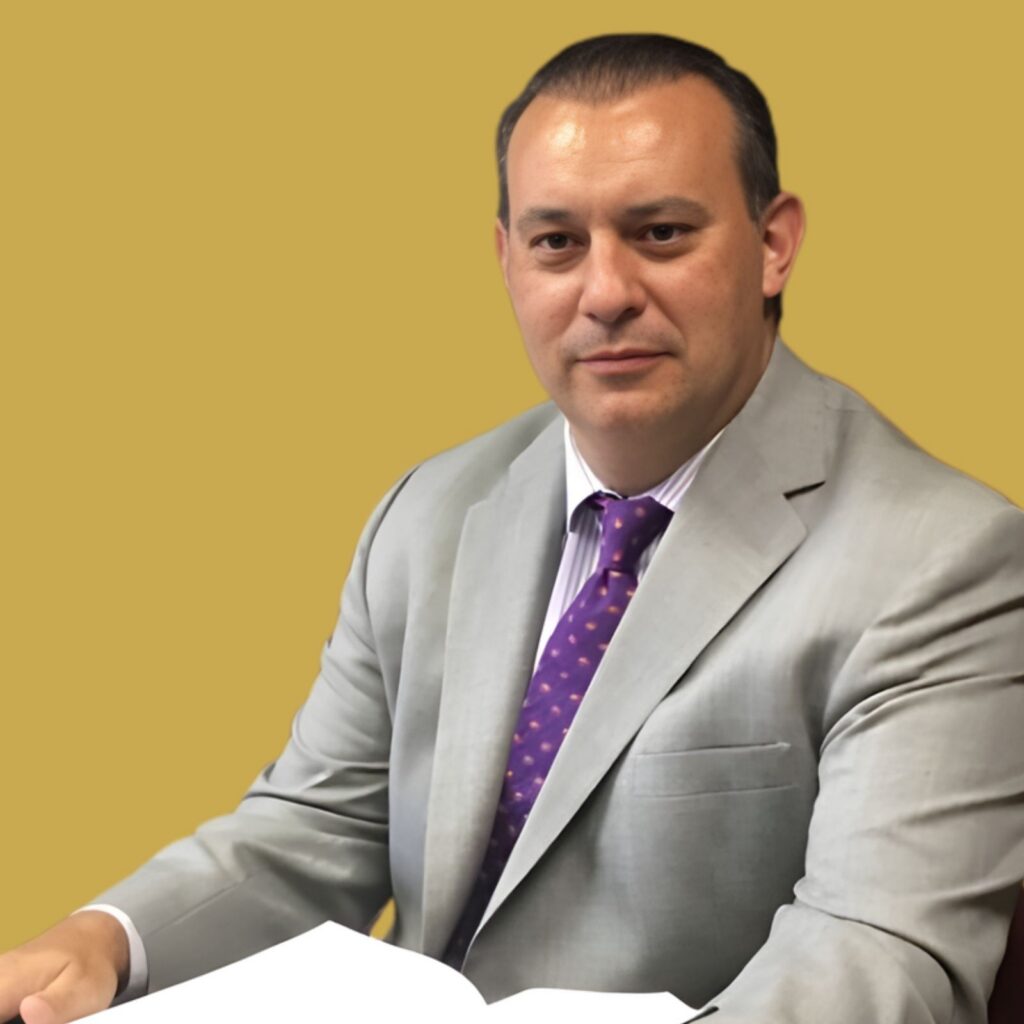
Robert Rohrbaugh II
At Prison Law Firm, we understand the system from both sides of the bars. The firm’s paralegal Robert Rohrbaugh practiced criminal law handling both state and federal cases for over 25 years (now working as a paralegal). During that time he defended clients in some of the toughest courtrooms in America. In a rare and extraordinary turn, Bob found himself in a situation that would take him from a member of the bar to behind the bars. Read Bob’s Book >>
After being indicted in Federal District Court for what amounted to receiving fees to represent a client while being wilfully blind that those monies were illegally gained by the client, his case proceeded to trial where he was acquitted on one count with the jury hung on the remaining three counts. During the second trial, he was convicted and sentenced to 52 months in Federal Prison. That experience gave him what no law degree can teach: firsthand knowledge of how the Bureau of Prisons operates.