
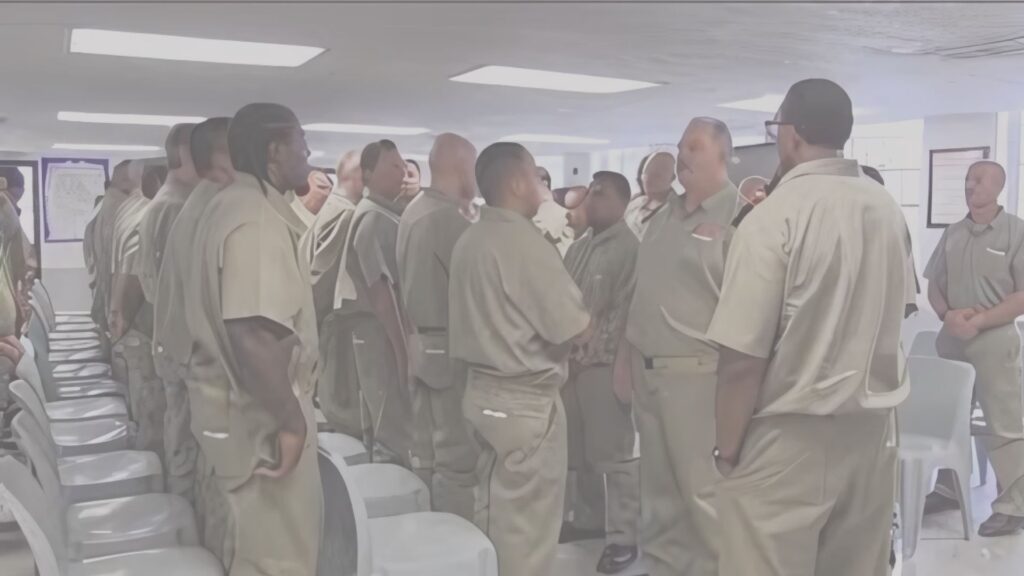
What the First Step Act Credits Actually Are
Under the First Step Act of 2018 (Public Law 115-391), eligible people in federal custody can earn time credits by successfully participating in Evidence-Based Recidivism Reduction (EBRR) Programs and Productive Activities (PAs) assigned based on their risk-and-needs assessment.
The credit rate is the part everyone remembers:
10 days of credit for every 30 days of successful participation—and if you maintain minimum or low risk, you can earn an additional 5 days (effectively 15 days per 30). Important nuance: people assessed as medium or high risk may earn credits, but the law allows the Bureau of Prisons (BOP) to require
additional steps before those credits are applied—such as a petition to the warden in some situations.
How Many FSA Programs Are There?
The BOP publishes an First Step Act Approved Programs Guide that lists qualifying programs and activities. As of the August 2025 guide, GAO reports the BOP had 48 EBRR programs and 73 productive activities
(that’s 121 total), and the list is updated over time.
Translation: there are well over 100 qualifying options—so the real challenge isn’t “Is there a program?” It’s: Which programs are offered at your facility, are you properly assigned, and are credits being recorded and applied correctly?
The Two Buckets That Earn Credits: EBRR vs. Productive Activities
1) Evidence-Based Recidivism Reduction (EBRR) Programs
These are standardized programs designed to reduce recidivism—often delivered through Psychology Services, Education, or other departments.
Examples listed in the BOP’s approved guide and related reporting include programs like Anger Management, Criminal Thinking, Emotional Self-Regulation, and more.
2) Productive Activities (PAs)
Productive Activities keep people engaged in skill-building, structured learning, mentoring, and other “pro-social” activities that help maintain or move toward minimum/low risk.
Examples of FSA-Eligible Programs (What to Ask for at Your Facility)
Every institution’s offerings differ. But these are common categories you’ll see across many facilities, with examples that appear in the BOP guide(s):
- Cognitive / Behavior Change: Anger Management, Criminal Thinking, Emotional Self-Regulation :contentReference
- Education: Literacy/GED-related programming, ESL, post-secondary offerings where available :contentReference
- Work & Career: Apprenticeship-style training, vocational pathways, Federal Prison Industries (UNICOR)
- Parenting & Family: Parenting-focused curricula and family programming series
- Trauma / Wellness / Recovery: Wellness Recovery Action Plan (WRAP) and other wellness-oriented programming
- Victim Impact / Restorative Work: Victim Impact-style programming (varies by institution)
- Faith-Based / Community Programs: Examples include programs like Crossroads Prison Ministry (added in the August 2025 revision)
The key is not picking what “sounds good.” The key is choosing what (1) is offered locally, (2) matches assessed needs, and (3) is properly recorded
as an approved EBRR/PA so credits actually accrue.
Why People Lose Credits (or Never See Them Applied)
- Not being assigned correctly: Credits generally track best when programming is tied to your assessed needs and recorded properly.
- Facility availability: The BOP guide lists programs, but not every institution offers every program.
- Disciplinary issues: Misconduct can affect progress and eligibility decisions.
- Risk level barriers: If you’re medium/high risk, credits may not “auto-apply” the same way and can require extra steps (including a petition to the warden in some cases).
- Bad math / bad records: Credits can be earned but not posted, posted late, or applied incorrectly.
What Prison Law Firm Can Do
Prison Law Firm helps incarcerated people and families make the First Step Act real—not theoretical. Depending on the case, that can include:
- Reviewing eligibility roadblocks (including offense-based exclusions and credit application issues)
- Spotting missing or misapplied ETC calculations
- Strategizing around risk level reductions so credits can be applied sooner
- Guidance on documentation, administrative requests, and escalation paths when the record doesn’t match the law
If you believe credits aren’t posting correctly—or you’re being told you “can’t” apply them—get a second set of eyes.
A small mistake can cost months at home.
Download the Current FSA Programs Guide
The BOP’s Approved Programs Guide is the master reference for what qualifies as an EBRR or PA. You can also view the BOP’s First Step Act resources page for program guide access and related materials. VISIT BOP HERE
Tip: Make sure you’re looking at the most recent revision available—updates and program changes happen over time.
First Step Act Earned Time Credits FAQ
Do all programs in prison earn First Step Act credits?
No. Only programs and activities designated as approved EBRR programs or Productive Activities count for FSA time credits.
How fast can someone earn credits?
Eligible participants earn 10 days per 30 days of successful participation, and people who maintain minimum/low risk can earn an additional amount (commonly described as up to 15 days per 30).
Why are credits showing but not being applied?
Common reasons include risk level restrictions, eligibility/exclusion issues, facility process delays, or record-keeping problems.
Does medium or high risk mean credits are worthless?
Not necessarily. You may still earn credits, but application can be more complicated and may require additional steps. Lowering risk level can be critical.