
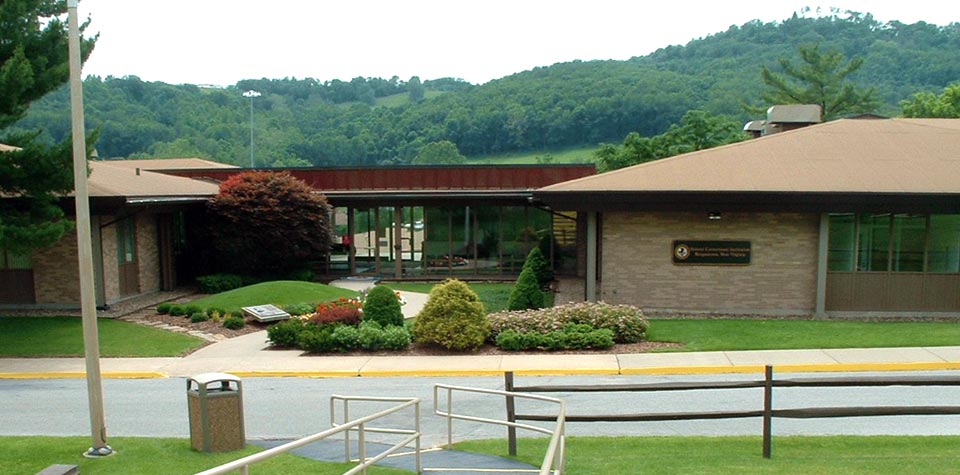
Federal inmates are generally housed in one of the following security classifications:
- Federal Prison Camp (Minimum Security)
- Low Security Federal Correctional Institution (FCI)
- Medium Security Federal Correctional Institution (FCI)
- High Security United States Penitentiary (USP)
- Administrative facilities
Understanding these classifications is critical for inmates, families, and attorneys—especially when preparing for sentencing or federal prison designation. For people still awaiting designation, see What to Do Before Sentencing and What Is a PSR and Why Is It So Important?. :contentReference[oaicite:1]{index=1}
Federal Prison Camp (Minimum Security)
A Federal Prison Camp (FPC) is the lowest security level within the federal prison system. These facilities typically house inmates who present a minimal risk of violence or escape.
Key Characteristics
- Little or no perimeter fencing
- Dormitory-style housing
- Higher inmate freedom of movement
- Extensive work assignments
- Often located next to larger federal prisons
Many inmates at federal prison camps participate in work programs, including maintenance, landscaping, or community service assignments.
Because of the lower security environment, camps are often considered the most desirable placement within the federal prison system. For more on camp placement and examples, see The 20 Best Federal Prison Camps to Serve Your Time. :contentReference[oaicite:2]{index=2}
Low Security Federal Correctional Institutions
Low security federal prisons provide more supervision than camps but still house inmates considered relatively low risk.
Key Characteristics
- Double-fenced perimeters
- Dormitory or cubicle housing
- Moderate staff supervision
- Structured work programs
- Greater restrictions than prison camps
Low security facilities often house inmates with longer sentences or those who do not qualify for placement in a prison camp.
Examples include facilities such as FCI Milan, FCI Elkton, and FCI Butner Low. If you are researching specific institutions, you can also link readers to your facility and state pages, such as Federal Prisons in Texas, Otisville FCI, and Loretto FCI. :contentReference[oaicite:3]{index=3}
Medium Security Federal Prisons
Medium security federal prisons house inmates who require increased supervision and security controls.
Key Characteristics
- Reinforced perimeter fencing
- Mostly cell-style housing
- Higher staff-to-inmate ratios
- More controlled inmate movement
- Stronger security procedures
These facilities typically house inmates serving longer sentences or those with more serious criminal histories.
A move from camp to low or from low to medium usually means more restrictions, less movement, and a harder daily environment. Families trying to understand placement strategy should also read How to Get Your Custody Level Score Down in Federal Prison. :contentReference[oaicite:4]{index=4}
How the BOP Decides Security Level
The Bureau of Prisons uses a classification system that evaluates several factors to determine the appropriate security level for an inmate.
These factors include:
- Length of sentence
- Severity of offense
- Criminal history
- History of violence
- Escape risk
- Institutional behavior
- Detainers and pending charges
- Medical and program needs
Based on these factors, the BOP assigns a classification score that strongly influences where an inmate is designated. The PSR often drives that process, which is why presentence preparation matters so much. For readers still before sentencing, add internal links to What Is a PSR and Why Is It So Important? and What to Do Before Sentencing. :contentReference[oaicite:5]{index=5}
Why Security Level Matters
Security classification affects nearly every aspect of an inmate’s experience in federal prison, including:
- Housing conditions
- Freedom of movement
- Program availability
- First Step Act opportunities
- Work assignments
- Visitation policies
- Release planning opportunities
Lower security facilities often provide more practical access to programming and reentry opportunities. For example, readers interested in sentence reduction and program strategy should be directed to There Are 120+ First Step Act Programs in Federal Prison—Here’s How to Turn Them Into Earned Time Credits and RDAP in Federal Prison: How It Works and How to Get In. :contentReference[oaicite:6]{index=6}
If a prisoner is nearing the end of a sentence, security level also affects reentry preparation, halfway house strategy, and home confinement planning. That makes Writing a Release Plan another strong internal link here. :contentReference[oaicite:7]{index=7}
Can Inmates Move Down in Security Level?
Yes. Many inmates can move from medium to low, or from low to camp, depending on time served, disciplinary history, programming, detainer status, and updated classification reviews.
That is one reason why staying incident-free matters. A disciplinary problem can affect both custody level and earned-time opportunities. If BOP decisions or calculations become an issue, link readers to BOP Administrative Remedy Process: BP-8 Through BP-11 Explained. :contentReference[oaicite:8]{index=8}
How Prison Law Firm Helps
Understanding federal prison designation and security levels is especially important before sentencing, during designation, and when trying to position for more favorable placement later.
Prison Law Firm assists with:
- Pre-sentencing prison designation planning
- Understanding BOP security classifications
- Custody score and placement strategy
- First Step Act time credit strategy
- RDAP and program access planning
- Halfway house and home confinement preparation
- Administrative remedy filings
- Supervised release strategy
Early planning can significantly affect where a sentence is served, what programs are available, and how quickly someone can move toward home confinement or supervised release. You can also internally link here to Getting Off Federal Supervised Release Early: What’s Changed & How to Win. :contentReference[oaicite:9]{index=9}
Contact Prison Law Firm to learn more about federal prison designation, custody levels, and post-sentencing strategy. :contentReference[oaicite:10]{index=10}
Frequently Asked Questions
What is the lowest security federal prison?
Federal Prison Camps (FPCs) are the lowest security facilities in the federal prison system.
Can inmates move from medium to low security?
Yes. Inmates may be transferred to lower security institutions based on good behavior, time served, custody score changes, and classification reviews.
Do prison camps have fences?
Most federal prison camps have little or no perimeter fencing and rely on minimum-security supervision.
How does the BOP decide prison placement?
The Bureau of Prisons evaluates offense severity, criminal history, sentence length, detainers, institutional history, and other classification factors to determine placement.
Does security level affect First Step Act and RDAP opportunities?
It can. Program access, availability, and release-planning opportunities often differ by institution, which is why placement strategy matters.